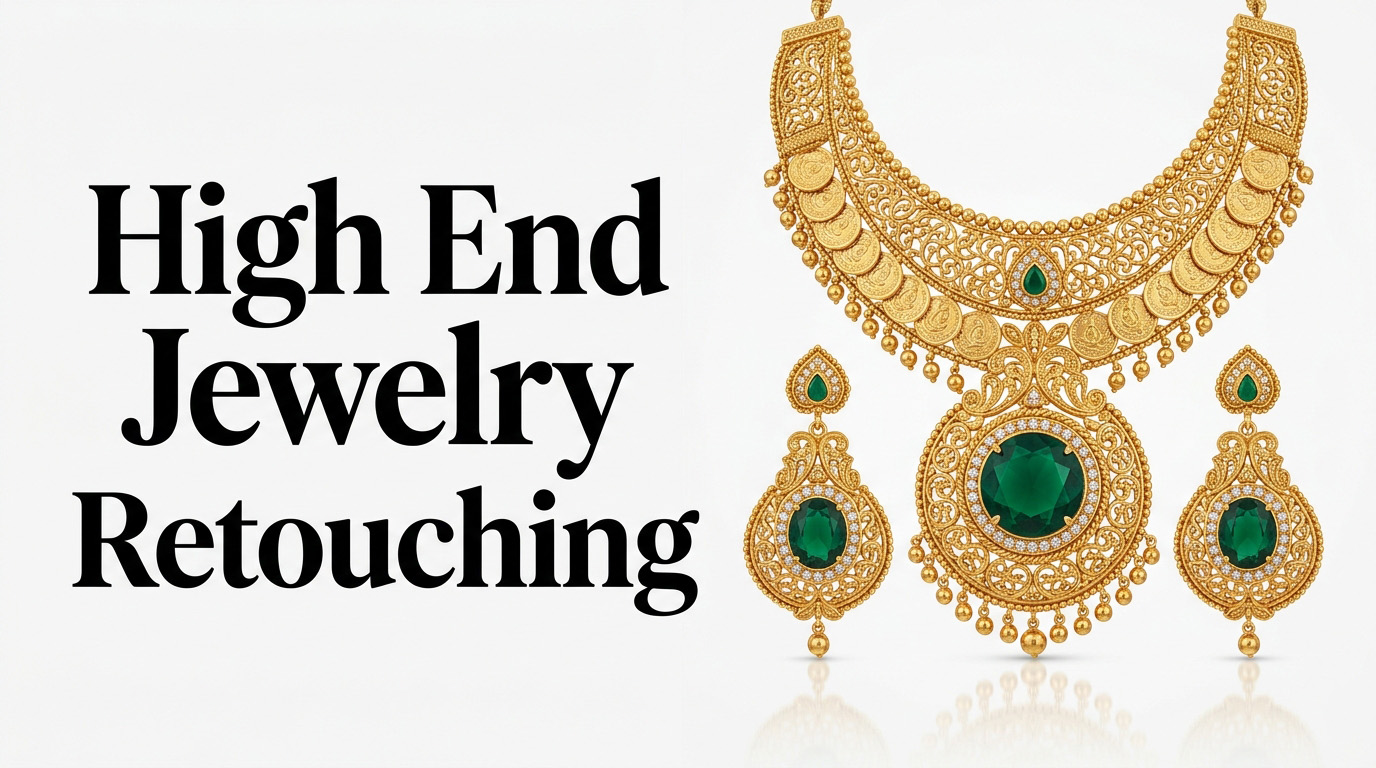
Every piece of jewelry tells a story — of craftsmanship, elegance, and value. But when that jewelry is photographed for an online store or a brand catalog, the story can easily get lost in poor lighting, dust particles, distracting backgrounds, or dull metal surfaces. That is where high end jewelry retouching steps in.
High end jewelry retouching is the professional process of enhancing jewelry photographs to a level of quality that accurately reflects — and often elevates — the product’s true beauty. For jewelry businesses, whether they sell diamond rings, gold necklaces, or handcrafted gemstone bracelets, image quality is not a luxury. It is a business necessity.
In this complete guide, you will learn everything about high end jewelry retouching: what it is, why it matters, the tools and techniques used by professionals, common mistakes to avoid, and how it directly impacts your eCommerce sales and brand reputation. Whether you are an eCommerce store owner, a product photographer, or a creative agency serving jewelry clients, this guide is built for you.
What Is High End Jewelry Retouching?
High end jewelry retouching refers to the advanced post-processing of jewelry photographs using professional software — primarily Adobe Photoshop — to achieve flawless, magazine-quality images. It goes far beyond basic photo editing. It involves surgical precision in removing imperfections, enhancing gemstone brilliance, correcting colors, refining metal textures, and creating realistic light and shadow that make the product come alive on screen.
Regular Retouching vs. High End Retouching
Standard photo retouching might involve cropping an image, adjusting brightness, or removing a background. High end retouching takes a completely different approach. A professional retoucher examines every pixel of a jewelry photograph. They remove microscopic dust and scratches, recreate realistic reflections, enhance the depth and sparkle of gemstones, restore the luster of gold or silver, and ensure the final image looks both perfect and natural.
Regular retouching is sufficient for casual product listings. High end retouching is what separates a luxury brand from an average seller.
Main Objectives
The core goals of high end jewelry retouching are to:
- Present the jewelry product in its most accurate and appealing form
- Remove all distractions that reduce buyer confidence
- Enhance visual elements that drive purchase decisions
- Maintain consistency across an entire product catalog
- Support a premium brand image through image excellence
Why High End Jewelry Retouching Matters
Improve Product Presentation
Online shoppers cannot touch or try on jewelry. The photograph is their only interaction with the product before buying. A high end retouched image gives them the clearest, most detailed, and most appealing view possible. Sharp gemstone facets, gleaming metal surfaces, and clean backgrounds allow the product to speak for itself.
Increase Customer Trust
Blurry images, color inconsistencies, or visible dust on a ring can make buyers question product quality — even if the jewelry itself is impeccable. High end jewelry retouching ensures that every image communicates quality and attention to detail. When customers see flawless product photos, they trust the brand more readily and feel confident placing an order.
Boost Online Sales
The connection between image quality and conversion rate is well-documented in eCommerce. High-quality, professionally retouched images consistently lead to higher click-through rates, longer time on product pages, and stronger purchase intent. Simply put, better images sell more jewelry.
Create a Luxury Brand Image
Jewelry is an aspirational purchase. Customers buying a diamond necklace or a platinum band are not just buying metal and stones — they are buying an experience, a feeling, a status symbol. Professional high end jewelry retouching reinforces this luxury positioning. When every image on your website looks like it belongs in a high-fashion magazine, your brand earns the prestige that commands premium pricing.
Key Features of High End Jewelry Retouching
Precise Detail Enhancement
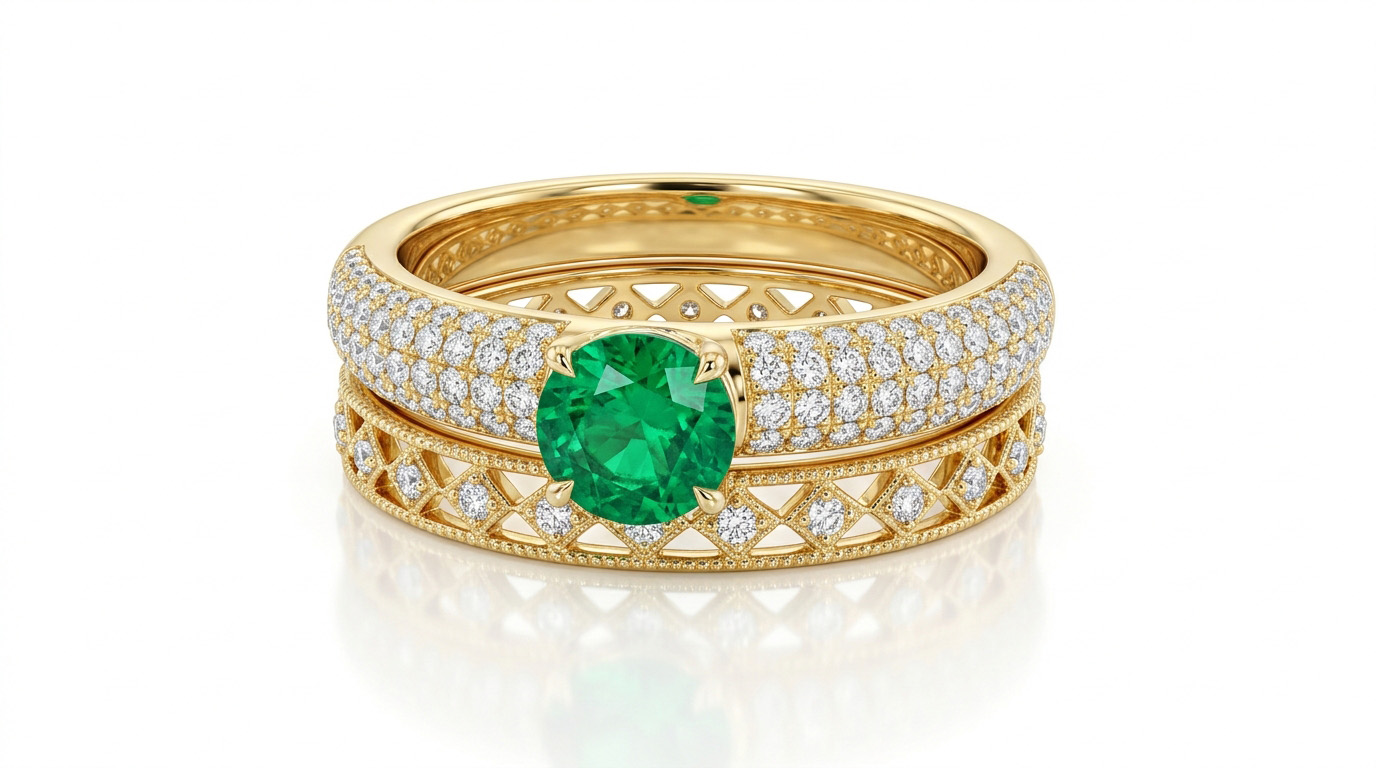
Jewelry is intricate by nature. Every engraving, prong, and facet deserves to be seen clearly. Professional retouchers use advanced sharpening and clarity techniques that bring out fine details without introducing noise or artificial textures.
Color Correction
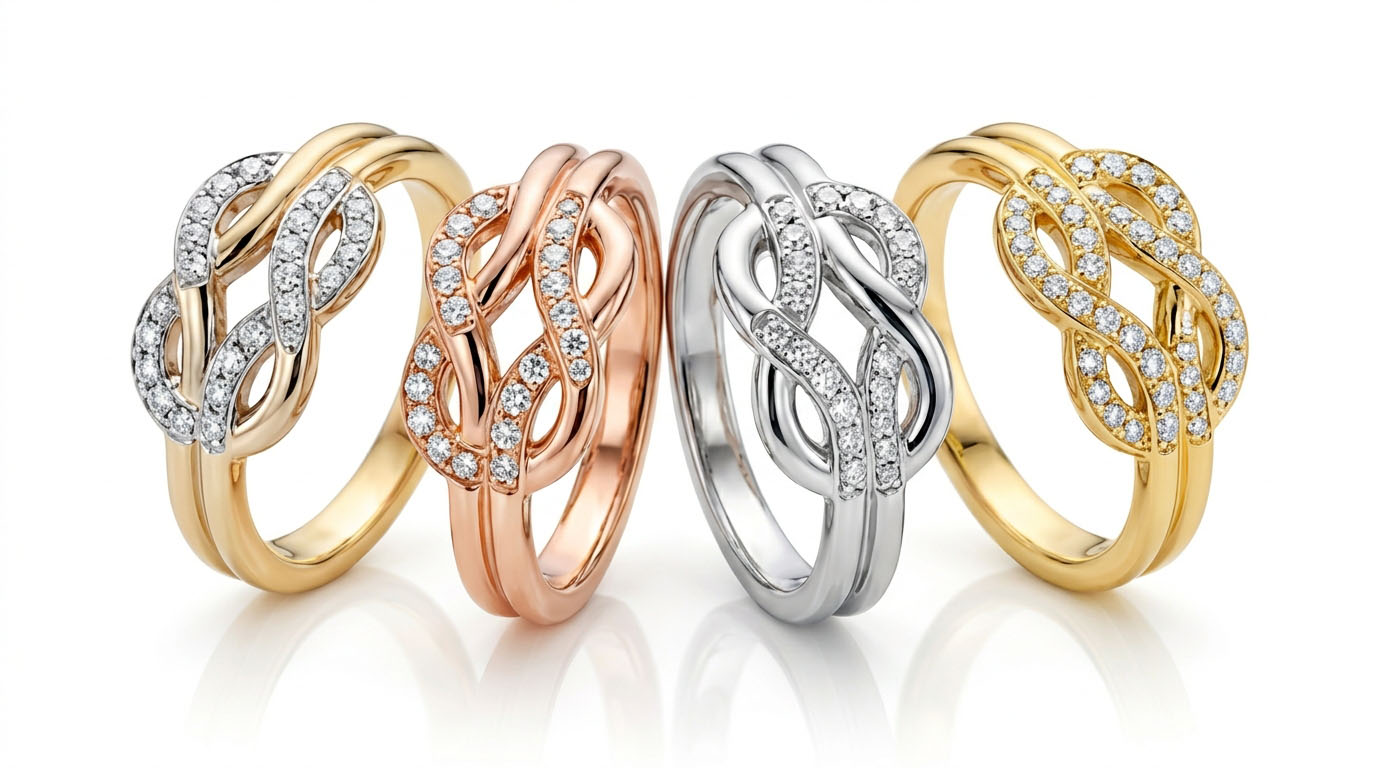
Gold should look unmistakably gold. Silver must appear cool and brilliant. Rose gold needs that warm, distinctive blush tone. Accurate and consistent color correction ensures that what the customer sees on screen matches what they receive in the mail — reducing returns and boosting satisfaction.
Reflection and Shadow Adjustment
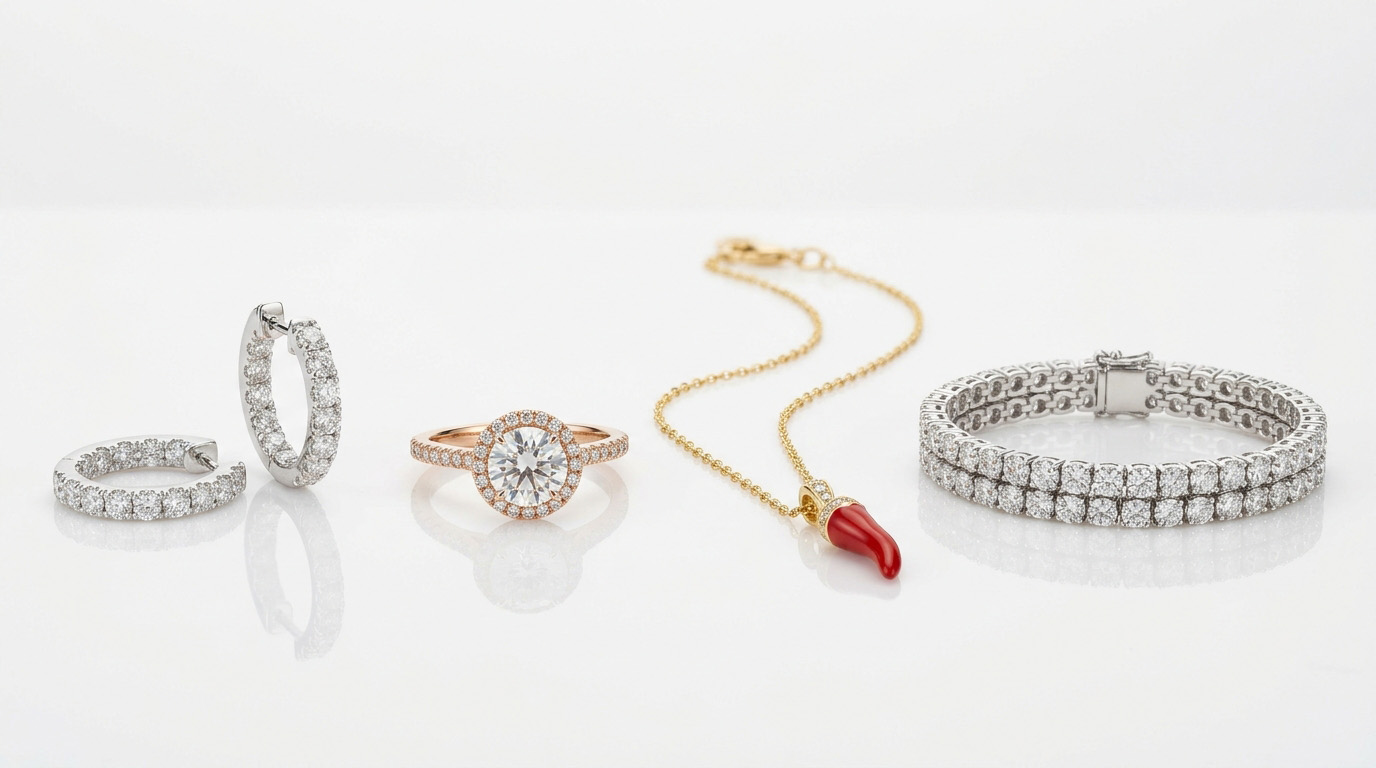
Realistic reflections and shadows give jewelry depth and dimension. Without them, products appear flat and lifeless. High end retouching carefully reconstructs or enhances reflections on metal surfaces and creates soft, natural-looking shadows that ground the jewelry visually.
Background Cleanup
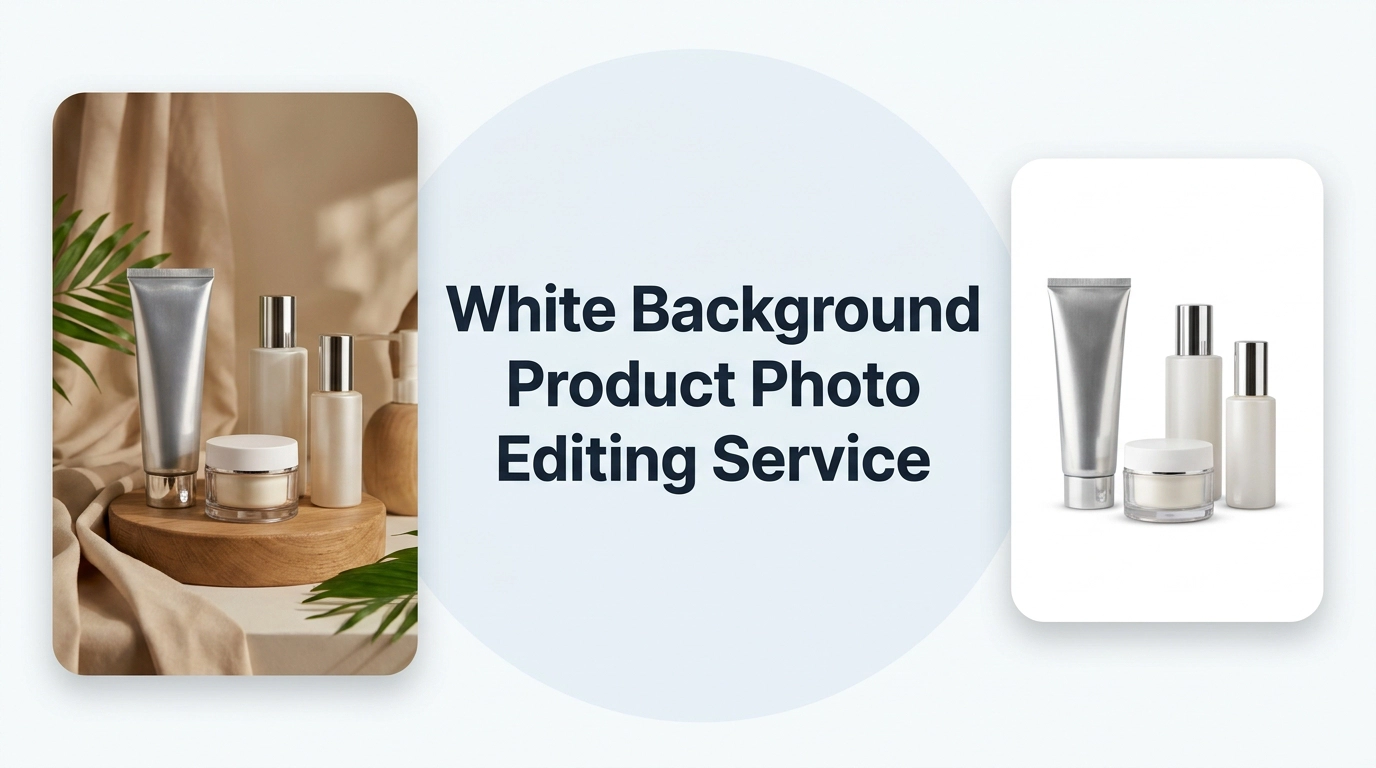
A clean white or neutral background is the standard for most eCommerce platforms. Professional retouching removes all background distractions, including uneven lighting, dust, or texture inconsistencies, leaving a perfectly clean canvas that keeps all attention on the jewelry.
Gemstone Enhancement
Diamonds, rubies, emeralds, and sapphires need to sparkle. Gemstone enhancement involves increasing clarity, boosting brilliance, and enhancing the natural color saturation of stones to make them look as vivid and valuable as they truly are.
Types of High End Jewelry Retouching
Jewelry Color Correction
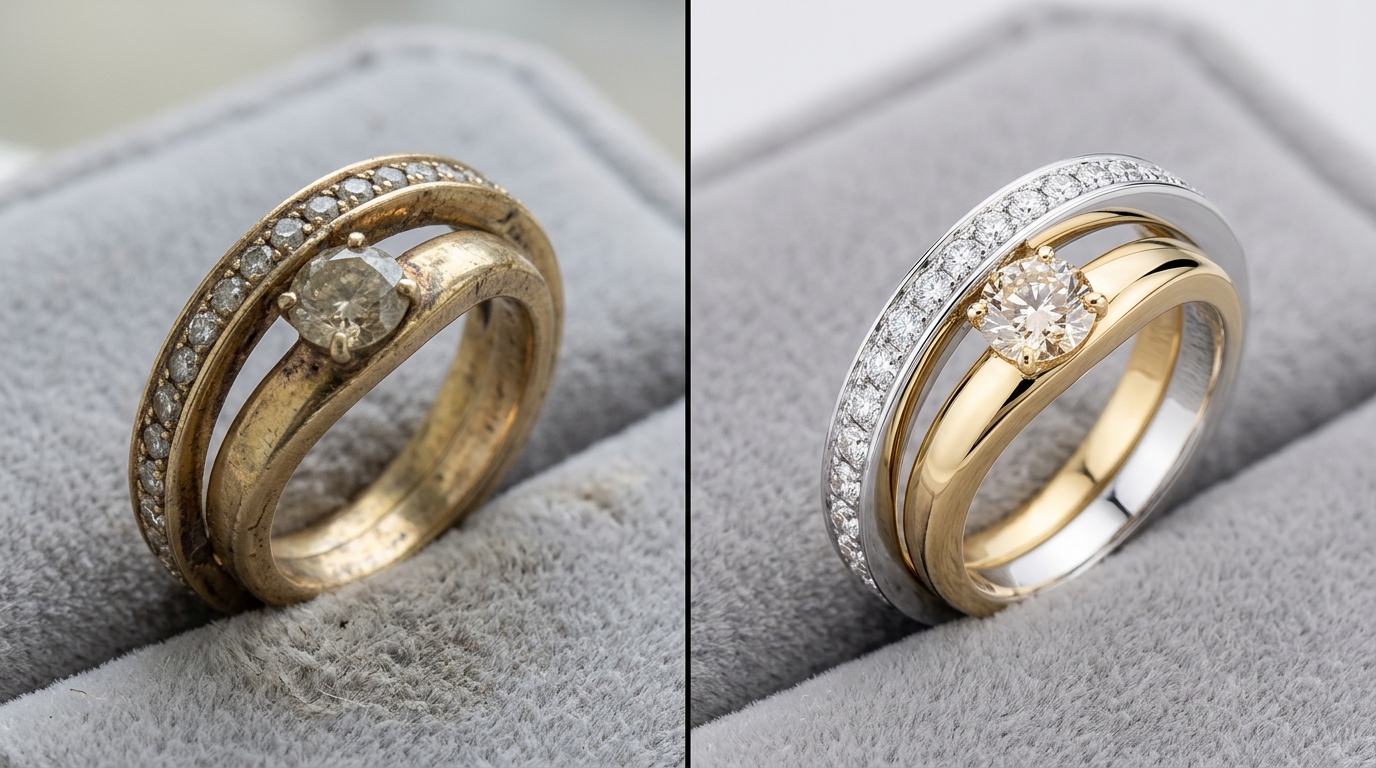
This process corrects white balance, adjusts hue and saturation, and ensures color consistency across all product images. It is especially important for brands selling across multiple product lines with different metal types and gemstone colors.
Shadow and Reflection Creation
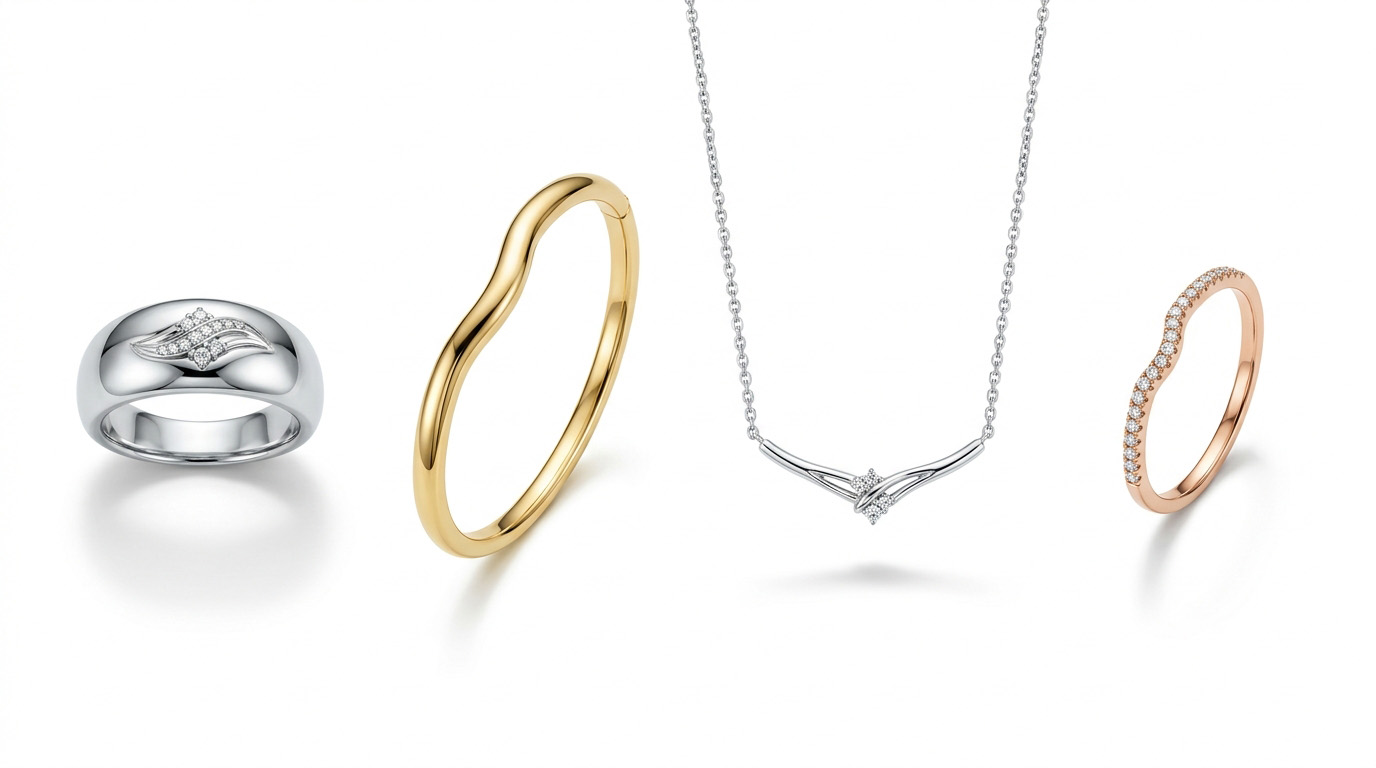
Natural-looking drop shadows or reflected shadows are added beneath or beside the jewelry to give images a grounded, three-dimensional feel. Reflection creation involves reproducing the jewelry’s mirror image beneath it, commonly used in luxury product photography.
Jewelry Cleaning and Polishing
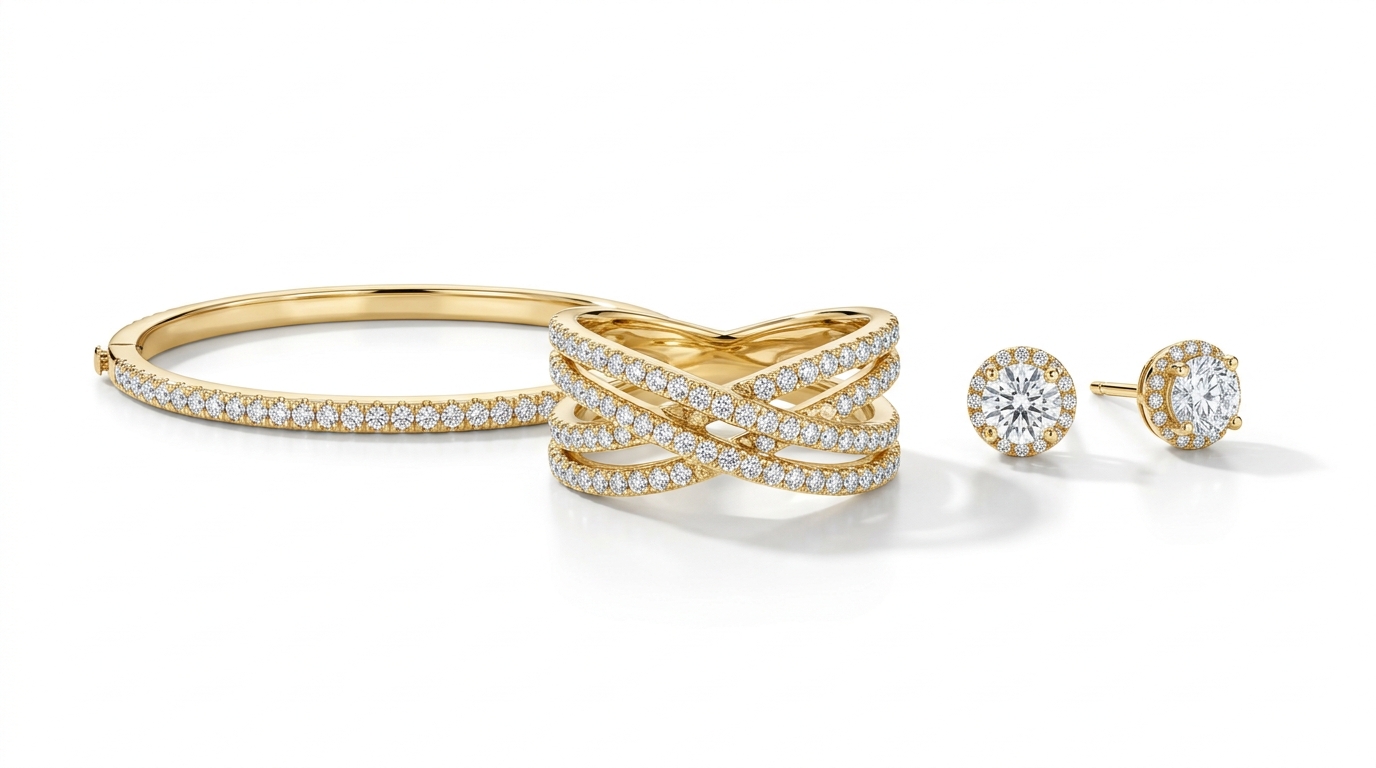
This involves digitally removing all dust, fingerprints, smudges, and surface scratches that appear in the photograph. The result is a piece of jewelry that looks freshly polished and pristine.
Metal Detailing
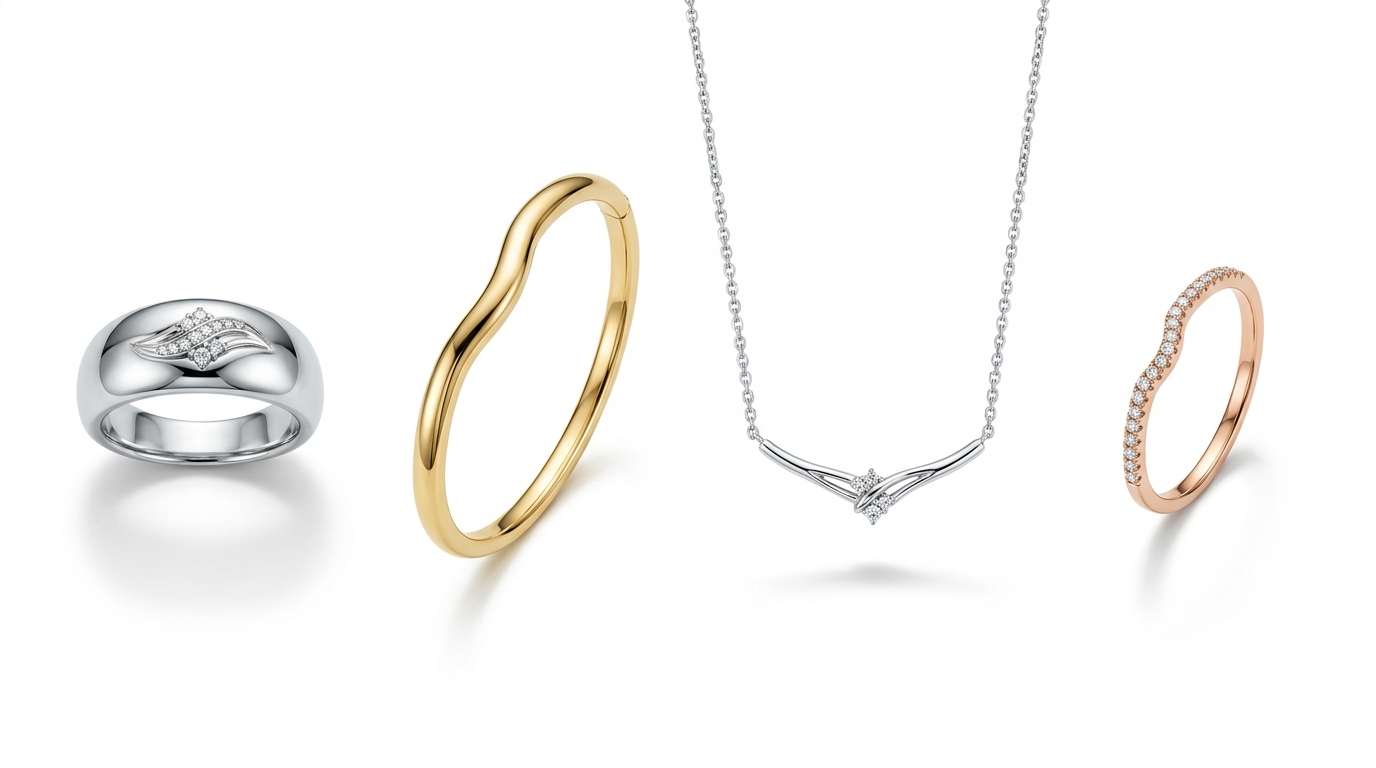
Gold, silver, platinum, and other metals each have unique surface properties. Metal detailing enhances the texture, sheen, and structural definition of metal settings, bands, and chains to make them look luxurious and well-crafted.
Gemstone Enhancement
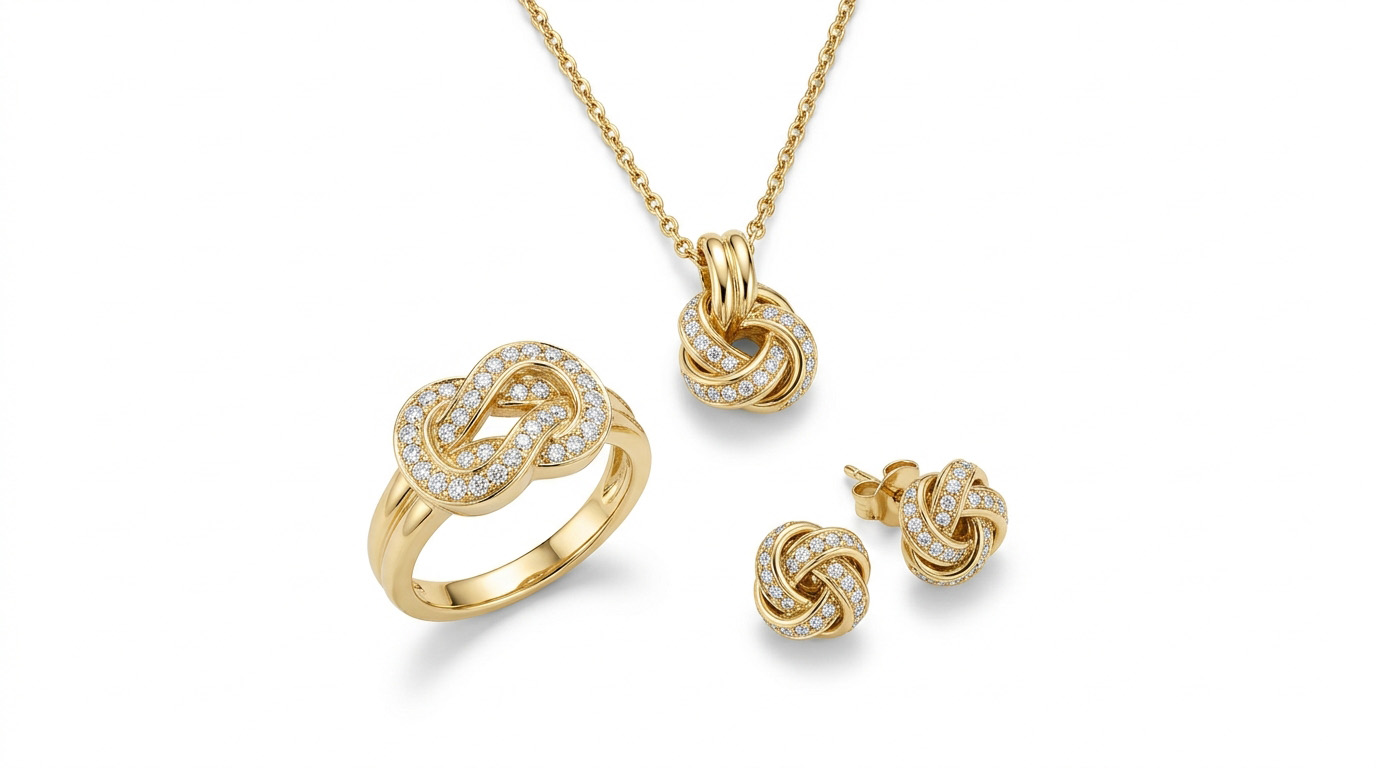
Retouchers isolate each gemstone and enhance its internal brilliance, depth of color, and light refraction to ensure the stone looks as radiant as it does in person — or even better.
Custom Jewelry Enhancement
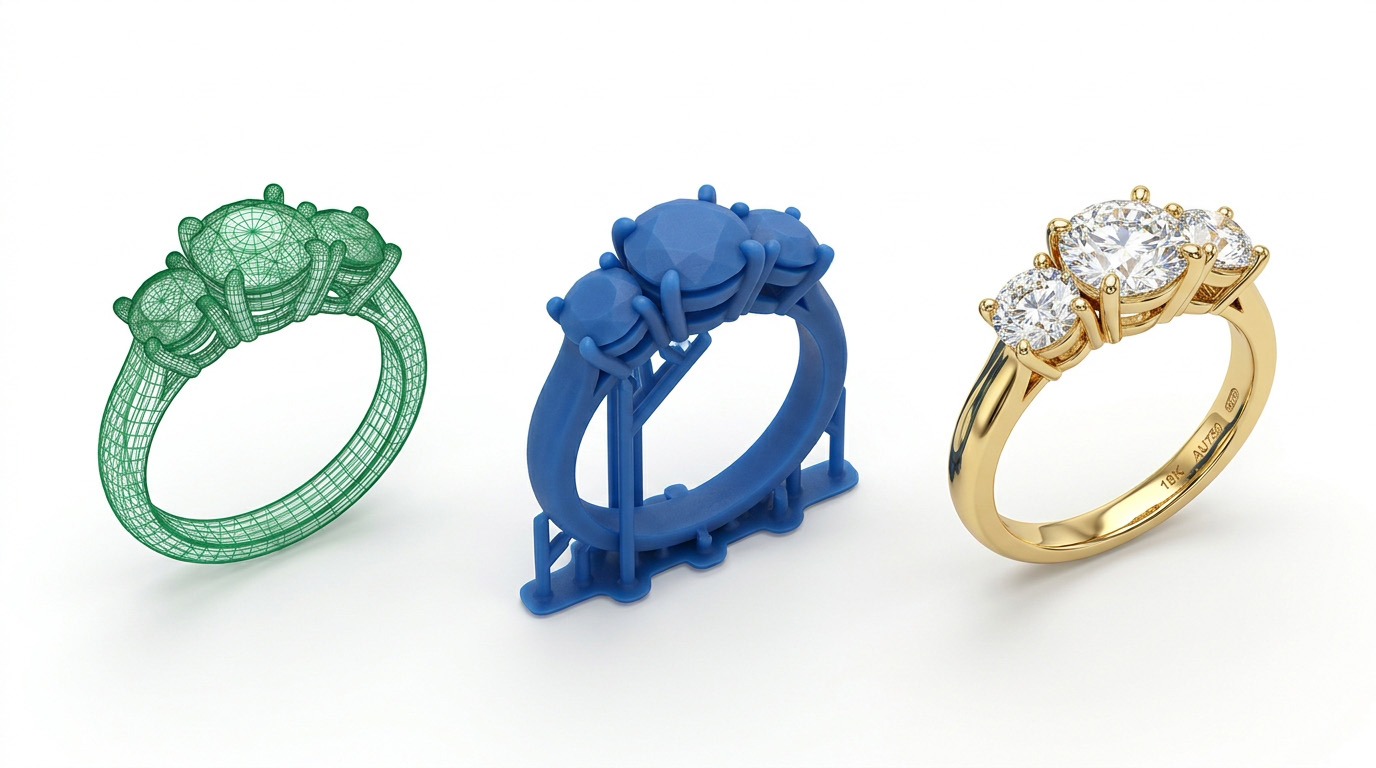
For bespoke or artisan jewelry pieces, custom retouching solutions are applied based on the specific design, material, and creative intent of the piece. This is highly tailored work that requires both technical skill and artistic sensibility.
Step-by-Step High End Jewelry Retouching Process
Step 1: Image Inspection
Before any editing begins, a professional retoucher thoroughly examines the raw image. They identify areas that need attention — scratches, dust, color casts, inconsistent lighting, background issues, and gemstone clarity problems. This inspection shapes the entire retouching workflow.
Step 2: Background Removal
Using the Pen Tool in Photoshop, the retoucher carefully traces the outline of the jewelry and separates it from the background. This creates a clean, isolated product image that can be placed on any background — white, gradient, or contextual.
Step 3: Dust and Scratch Removal
Using the Healing Brush and Clone Stamp tools, all surface imperfections are meticulously removed. This includes tiny dust particles, scratches on metal, and blemishes on gemstone surfaces. This step requires patience and precision, as working too aggressively can damage the natural texture of the metal or stone.
Step 4: Color and Tone Adjustment
Hue, saturation, brightness, and contrast are carefully adjusted to bring the jewelry’s colors to life while maintaining a natural and realistic appearance. Color balance is refined to ensure accurate representation of metal type and gemstone hue under standard viewing conditions.
Step 5: Metal and Gemstone Enhancement
Dodge and Burn tools are used to sculpt highlights and shadows across metal surfaces, enhancing the three-dimensionality and reflective quality of gold, silver, or platinum. Gemstones are then treated individually — deepening color, increasing clarity, and boosting the internal light play that makes a diamond or sapphire look breathtaking.
Step 6: Final Quality Check
The finished image is reviewed at multiple zoom levels, compared against brand standards, and checked for consistency with other images in the catalog. Only after this final quality check is the image considered complete and ready for delivery.
Best Photoshop Tools for Jewelry Retouching
Pen Tool
The industry standard for precise background removal. It allows retouchers to create clean, smooth selections around even the most complex jewelry shapes.
Healing Brush Tool
Ideal for removing dust, scratches, and skin oils from metal surfaces while preserving the surrounding texture.
Clone Stamp Tool
Used to replicate clean areas of metal or background to cover larger imperfections or missing details.
Dodge and Burn Tool
These tools lighten (dodge) or darken (burn) specific areas of an image, allowing retouchers to sculpt light and shadow across metal and gemstone surfaces with surgical control.
Layer Masks
Layer masks allow non-destructive editing, meaning retouchers can apply adjustments to specific areas without permanently altering the original image data. This is essential for professional, revisable workflows.
Hue/Saturation Adjustment
This adjustment layer gives precise control over the color of individual elements — perfect for correcting metal tones and enhancing gemstone color saturation without affecting the rest of the image.
Tips for Professional Jewelry Photo Editing
Use High-Resolution RAW Images
Always start with the highest quality source files available. RAW images retain the most data and give retouchers the most flexibility during color correction and detail enhancement.
Maintain Natural Colors
The goal of color correction is accuracy and appeal — not exaggeration. Overly saturated or artificially brightened colors look fake and erode customer trust. Keep adjustments grounded in realism.
Avoid Over-Retouching
More is not always better. Excessive retouching removes the natural character of the jewelry and creates images that look obviously manipulated. Skilled retouchers know exactly how much is enough.
Create Realistic Shadows
Shadows are what give product images depth and credibility. A well-crafted drop shadow or reflection makes jewelry look real, tangible, and desirable. Avoid using generic, preset shadow effects.
Keep Image Consistency
If you are retouching a catalog of 50 rings, they should all look like they belong to the same collection. Consistent lighting, color temperature, shadow style, and background treatment create a professional, cohesive brand presentation.
Common Mistakes to Avoid
Over-Sharpening
Excessive sharpening creates an unnatural, grainy appearance that makes jewelry look artificial. Use sharpening subtly and selectively.
Unrealistic Colors
Making a gold ring look bright orange or a diamond appear electric blue might seem creative, but it misleads customers and increases product returns. Accurate color is always the priority.
Excessive Reflection Effects
Reflections add elegance, but when overdone, they distract from the jewelry itself. Keep reflections subtle, soft, and naturally proportioned.
Ignoring Small Imperfections
A retoucher who misses a tiny dust particle or a faint scratch on a high-magnification image has not completed their job. In high end retouching, details are everything — customers do zoom in.
How High End Jewelry Retouching Helps eCommerce Businesses
Better Product Visibility
Search engines and eCommerce platforms favor high-quality images. Clean, professionally retouched jewelry photos perform better in image search, attract more clicks, and receive stronger placement in platform algorithms.
Higher Conversion Rates
Detailed, beautiful images reduce purchase hesitation. When a customer can clearly see every facet of a diamond, every engraving on a band, and every detail of a clasp, they feel informed and confident — and they are far more likely to complete the purchase.
Stronger Brand Reputation
Consistent, high end imagery communicates that you take your products — and your customers — seriously. It builds the kind of brand credibility that turns one-time buyers into loyal customers and brand advocates.
Improved Customer Experience
When product images are accurate, detailed, and beautiful, customers receive what they expected. This reduces returns, increases satisfaction scores, and generates positive reviews — all of which compound into long-term business growth.
High End Jewelry Retouching Cost
Factors Affecting Pricing
Several variables determine the cost of professional jewelry retouching, including the complexity of the jewelry design, the number of images, the level of retouching required (basic cleanup vs. full composite enhancement), turnaround time, and whether you are hiring a freelancer or a professional retouching agency.
Average Cost Per Image
For basic jewelry retouching — background removal and light cleanup — expect to pay between $3 and $10 per image. Full high end retouching, including gemstone enhancement, shadow creation, and metal detailing, typically ranges from $15 to $50 or more per image, depending on complexity and provider.
Outsourcing vs. In-House Editing
Outsourcing to a professional retouching service is often more cost-effective than maintaining an in-house team, especially for small to medium-sized jewelry businesses. Agencies bring specialized expertise, faster turnaround, and scalable capacity — advantages that are difficult and expensive to replicate internally.
Final Thought
In the competitive world of online jewelry retail, your product images are your most powerful sales tool. High end jewelry retouching transforms raw photographs into polished, professional visuals that capture attention, build trust, and convert browsers into buyers.
Throughout this guide, we have explored what high end retouching involves, the tools and techniques professionals rely on, the types of retouching available, and the tangible impact it has on eCommerce performance. The key takeaway is clear: if you sell jewelry online, image quality is not optional — it is your brand’s first impression and your customer’s purchase trigger.
Whether you are looking to elevate a single hero product or retouch an entire seasonal catalog, investing in professional high end jewelry retouching is one of the highest-return decisions you can make for your business. Partner with an experienced retouching service, set clear quality standards, and watch your product presentation — and your sales — rise to the level your jewelry truly deserves.
Ready to transform your jewelry images? Invest in professional high end jewelry retouching today and give your products the visual excellence they deserve.
FAQ For High End Jewelry Retouching
What is high end jewelry retouching?
High end jewelry retouching is the advanced, professional post-processing of jewelry photographs to achieve flawless, publication-quality images. It includes background removal, dust and scratch removal, color correction, gemstone enhancement, and metal detailing.
Is high end jewelry retouching worth it?
Absolutely. For eCommerce jewelry businesses, image quality directly affects conversion rates, customer trust, and brand perception. Professionally retouched images consistently outperform unedited photographs in driving sales.
Can I retouch jewelry photos myself?
With time, practice, and the right software, it is possible to learn basic retouching. However, high end retouching requires advanced Photoshop skills, a trained eye for detail, and significant experience. For commercial or brand-level results, professional retouching services are strongly recommended.
Which software is best for jewelry retouching?
Adobe Photoshop remains the industry standard for high end jewelry retouching. Adobe Lightroom is useful for batch color corrections and initial adjustments, but Photoshop provides the precision and toolset required for detailed work.
How much does jewelry retouching cost?
Basic retouching starts at around $3–$10 per image. Full high end retouching services typically range from $15 to $50 per image, depending on complexity, turnaround time, and the service provider chosen.