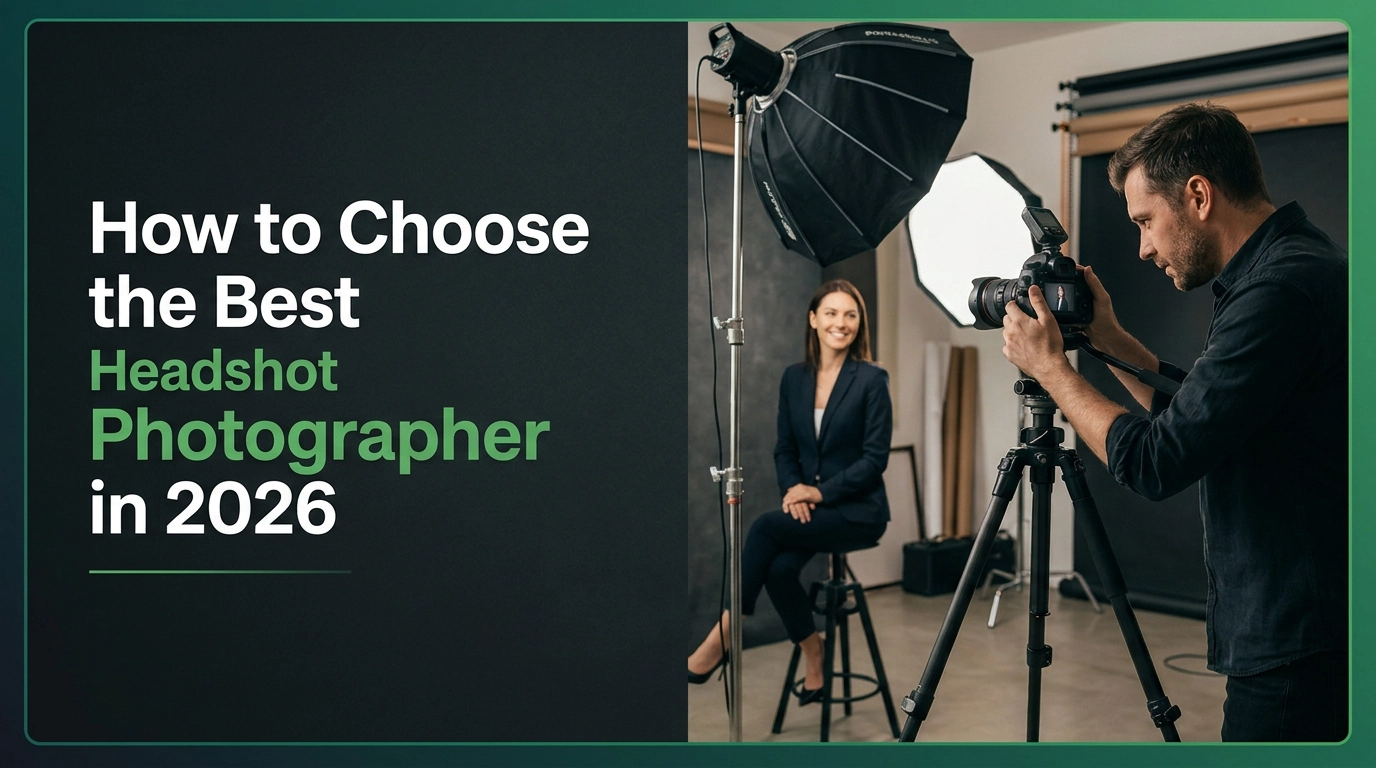
Finding the right headshot photographer in 2026 can feel like a lot. Type “portrait photographers near me” into a search bar and you get hundreds of results. Some photographers only shoot headshots. Others shoot weddings, newborns, product photos, and everything in between. A few charge far more than you planned to spend, and some simply don’t deliver the quality their websites promise.
So how do you choose the best headshot photographer for your needs?
This guide walks you through the whole process, one step at a time. You will learn why a professional headshot matters, how to decide between a specialist and a generalist, how to read a portfolio like an expert, what to ask before you book, and how to think about headshot photography cost. By the end, you will know exactly how to pick a photographer who can capture your best image.
What Is the Purpose of a Headshot?

A headshot is more than just a photo of your face. It is a big part of your personal brand. Whether you are a business executive, an actor, a freelancer, or someone who just wants a better LinkedIn profile picture, your headshot speaks before you do.
People view your photo in a second or two. In that short time, they decide if you look friendly, trustworthy, and capable. That is a lot of pressure for one image, which is why it pays to get it right.
Here are the most common reasons people get professional headshots:
- Business and corporate use: Company websites, team pages, presentations, press kits, and email signatures all need clean, consistent photos.
- Personal branding: Authors, speakers, coaches, consultants, and entrepreneurs use headshots to build trust with their audience.
- Performing arts and media: Actors, dancers, models, and singers need headshots for casting calls, agents, and promotions.
- Social media: Platforms like LinkedIn, X, and Instagram work best with profile pictures that look polished but still real.
A great headshot shows your personality while keeping a professional, approachable look. It tells people you are credible, reliable, and easy to work with. In a competitive job market and business world, those qualities matter.
Why Invest in a Professional Headshot?
You might be thinking, “Can’t I just ask a friend to snap my picture with a good phone?” It sounds easy, and it is cheaper. But the results usually fall short. A professional headshot photographer brings a lot more to the table.
Here is what you are really paying for:
- Expert lighting and posing: Pros know how to use light and angles to flatter your face. Bad lighting can add shadows, shine, and years you don’t want.
- The right background: In a studio or outdoors, a photographer picks a setting that supports your image instead of distracting from it.
- Consistency: If you need photos for a whole team, a trained photographer makes sure every image matches in style and tone.
- Attention to detail: Posture, collar lines, hair, and facial expressions all get checked during the shoot.
- Polished final images: Professional retouching gives you clean, high-quality photos that are ready to use anywhere.
Think of it this way. A professional headshot is a marketing tool. It helps you stand out, builds credibility, and makes a strong first impression on websites, resumes, and social profiles. One good photo can work for you for years.
Step 1: Define Your Purpose
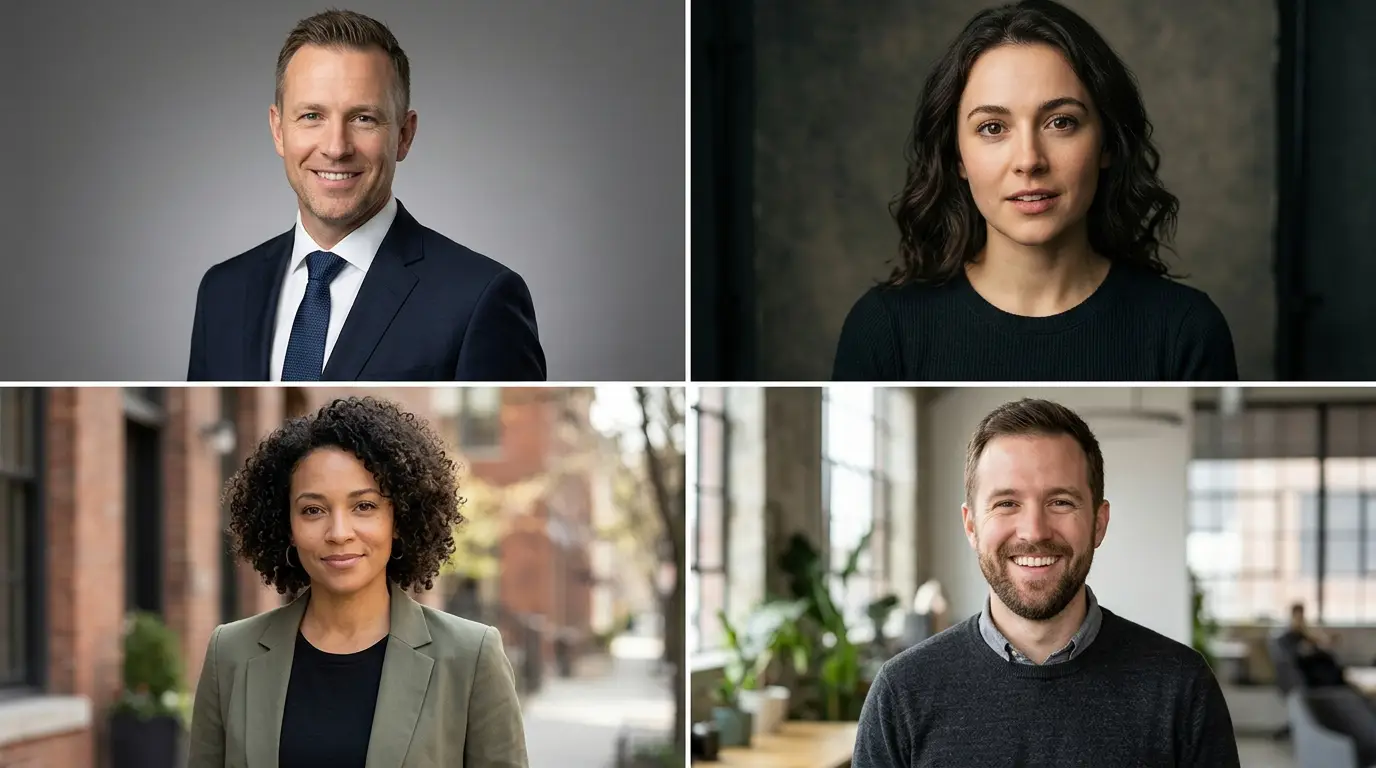
Before you start searching, ask yourself one simple question: what will I use this headshot for?
Headshots are flexible, but each use calls for a slightly different style. Here are some examples:
- Corporate headshots: Clean and formal, usually on a neutral background like gray or white.
- Actor headshots: More expressive, with a focus on natural emotion and a strong connection to the camera.
- Creative industry headshots: Casual and stylish, often shot outdoors with natural light.
- Social media headshots: A good mix of professional and friendly. Think LinkedIn headshot, not passport photo.
When you know your goal, it is much easier to explain what you want. It also helps you find a photographer who already has experience in that style. A photographer who is great at corporate headshots may not be the best choice for an actor who needs a dramatic, emotional look.
Take a few minutes to write down where the photo will appear, who will see it, and what feeling you want it to give. Even three or four sentences will help.
Step 2: Specialist vs. Generalist – Who Should You Hire?
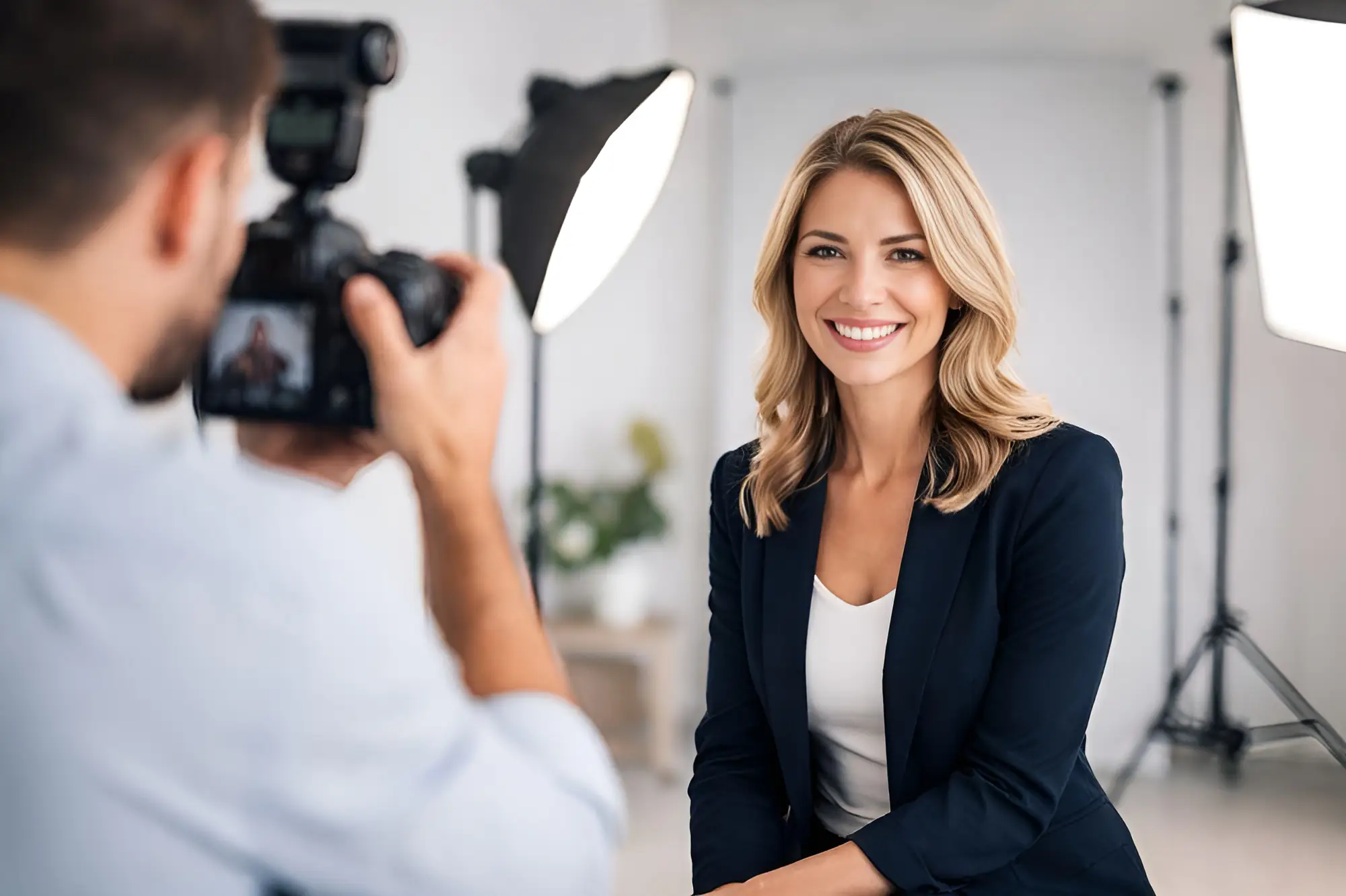
As you search, you will notice two main types of photographers.
Generalist Photographer
A generalist shoots many types of photography, like weddings, family portraits, events, product shots, and headshots. Many of them take beautiful pictures. But headshots are only one small part of what they do, so they may not have a deep skill set for close-up portrait work. Their workflow can also be less organized, since headshots are not their main focus.
Specialist Headshot Photographer
A specialist focuses mainly on headshots. They understand small details like facial expressions, head tilt, jawline, eye line, and how to pose someone who feels awkward. They have tested lighting setups and a smooth process for portrait sessions. Because they shoot headshots all day, their results are usually more consistent.
Our recommendation: If your goal is personal branding, job hunting, or professional use, go with a specialist headshot photographer. If you only need a quick, low-pressure photo for a casual profile, a skilled generalist can still do a nice job.
Step 3: Research and Shortlist
The internet makes it easy to find photographers. The hard part is filtering the options. Here is how to do your research:
- Google and Yelp searches: Search for headshot photographers in your city and open their websites. Try phrases like “corporate headshot photographer” or “professional headshots near me.”
- Social media: Many photographers share their best work on Instagram, Facebook, and LinkedIn. Scroll through their feeds to get a feel for their style.
- Referrals: Ask coworkers, friends, or mentors who they used. A personal recommendation is often the most reliable.
Once you have a long list, narrow it down by asking:
- Do they specialize in the type of headshot I need?
- Is their pricing close to my budget?
- Do they have a strong portfolio?
- Are their reviews positive and believable?
Try to end up with five to seven photographers you can compare side by side. That is enough to give you real choices without making you feel buried in tabs.
Step 4: Evaluate Their Portfolio
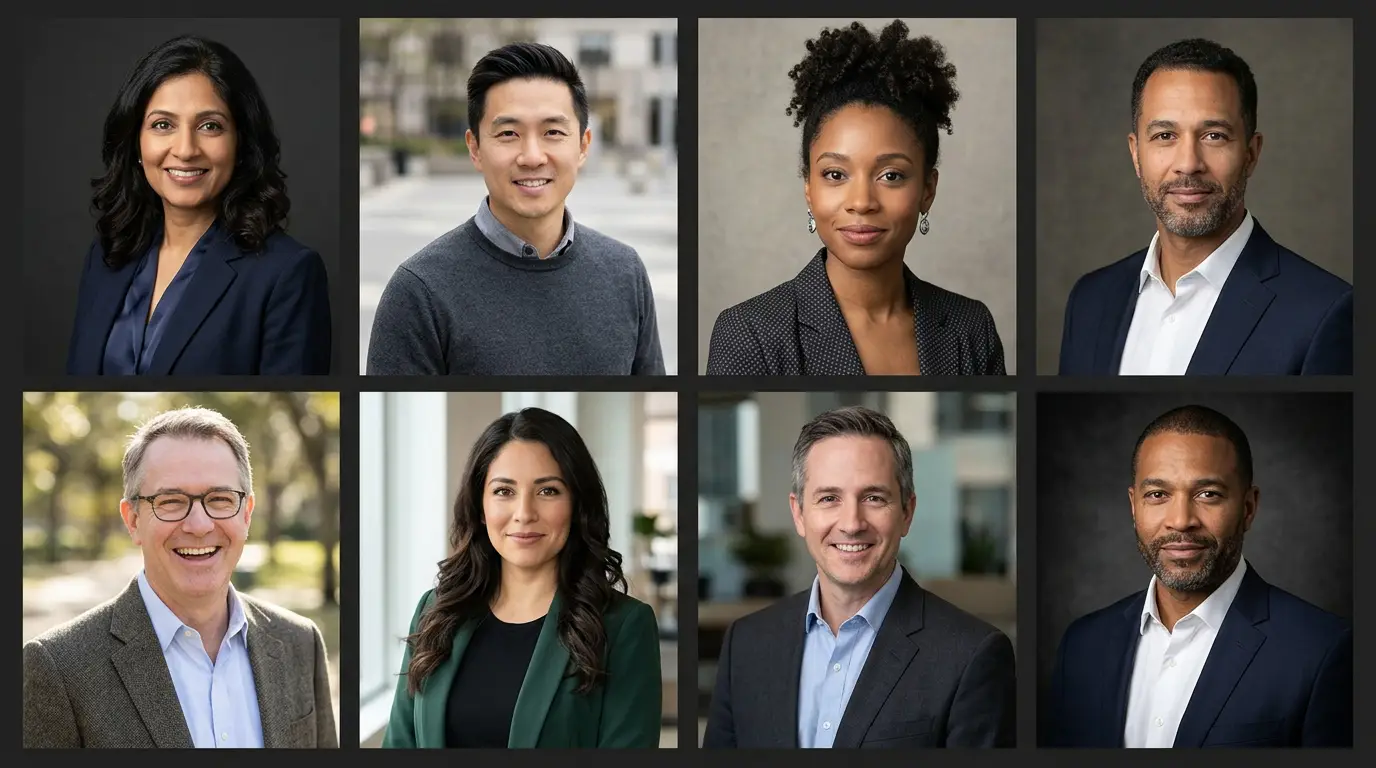
A portfolio is the best way to judge a photographer’s skill and style. Spend real time on this step. Look closely at these things:
- Lighting quality: Are faces well lit with soft, even light? Or do they look flat, dull, or shiny?
- Consistency: Do all the photos look polished, or are only a few of them great?
- Expressions: Do people look confident, relaxed, and natural? Forced smiles are a warning sign.
- Variety: Does the photographer show different ages, skin tones, and looks? Do they offer both studio and outdoor shots?
- Camera angles: Are the photos taken at flattering angles, usually at eye level?
- Sharpness: The eyes should be crisp. Soft focus on the eyes is hard to fix later.
Also check whether the portfolio matches what you need. If you want a corporate headshot and the portfolio is full of artsy, moody portraits, that may not be the right fit.
A good portfolio should make you think, “I want my photos to look like that.” If you don’t feel that, keep looking.
Step 5: Read Reviews and Testimonials
Customer reviews tell you a lot about how a photographer works behind the scenes. Pay attention to these points:
- Communication: Did the photographer answer questions quickly and clearly?
- Comfort during the shoot: Did clients feel relaxed, or did they feel rushed and awkward?
- Punctuality and professionalism: Did the photographer show up on time and meet deadlines?
- Final results: Were clients happy with their images?
Pro tip: Don’t rely on just one platform. Check Google, Yelp, and social media to get a balanced picture. A few mixed reviews are normal. What matters is the overall pattern. If many people mention the same problem, such as late delivery or poor communication, take it seriously.
Also look for reviews from people like you. If you are a nervous first-timer, a review from another nervous first-timer is worth more than a review from a model.
Step 6: Check the Studio and Environment
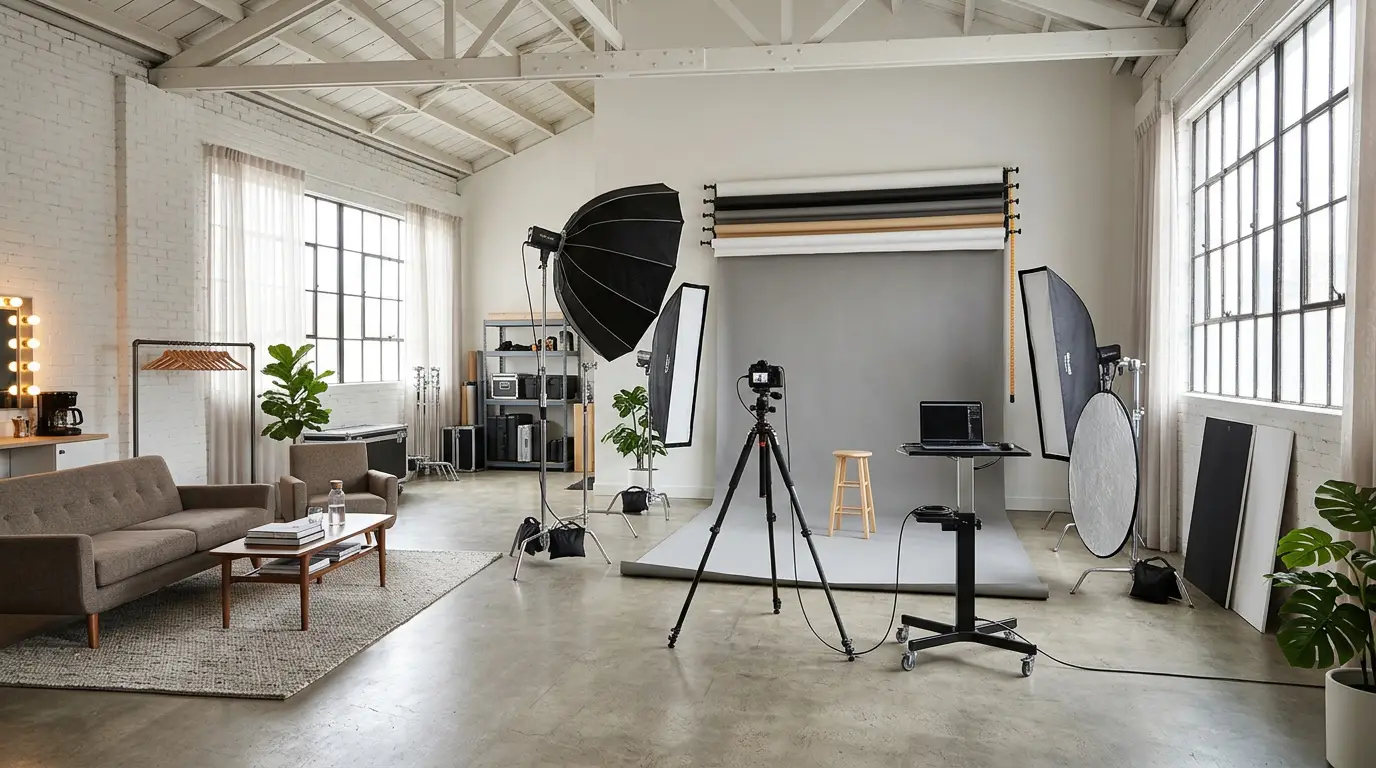
If the photographer works in a studio, visit it or ask about the setup. Here is what to look for:
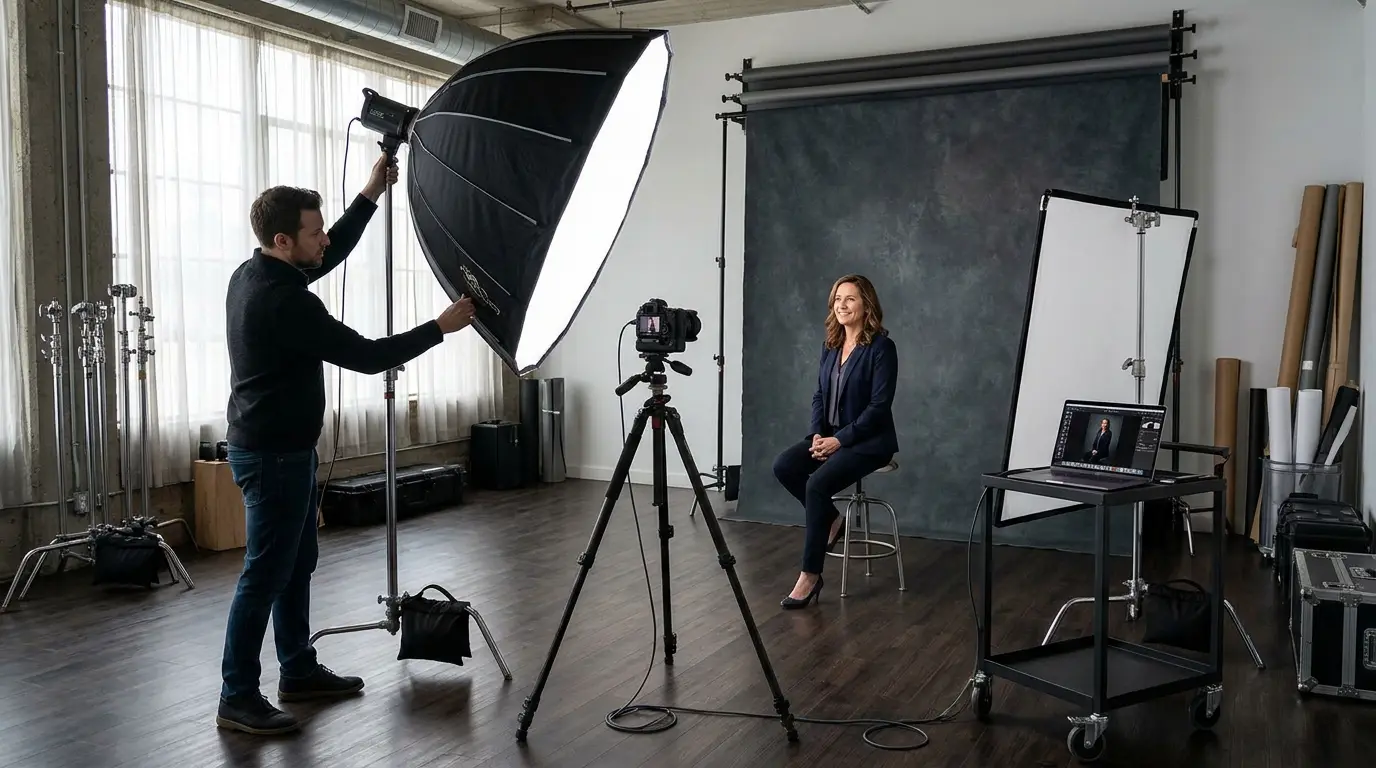
- Lighting setup and equipment: Professional lights, softboxes, and reflectors help create even, flattering light.
- Background options: Neutral, textured, and colored backdrops give you choices.
- Comfort features: A waiting area, changing room, and mirror make the day easier.
A nice studio does not guarantee a great photographer, but it often shows they take the work seriously. If you prefer natural outdoor shots, ask if they offer location sessions. Ask what happens if the weather is bad, too. A good photographer will have a backup plan.
If you cannot visit in person, ask for a short video tour or photos of the space. Many photographers are happy to share these.
Step 7: Ask About Posing and Guidance
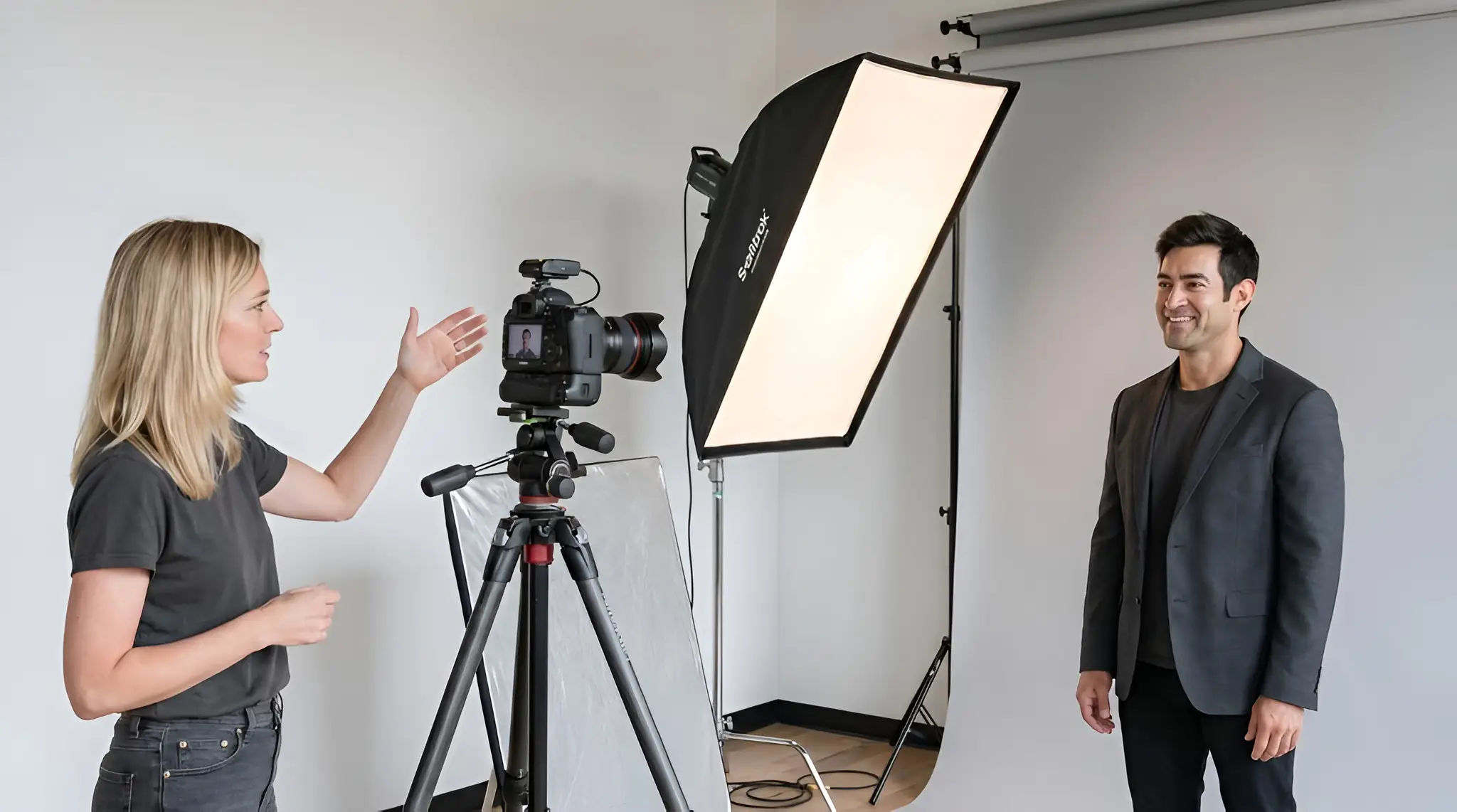
Most people do not feel natural in front of a camera. That is completely normal. A great headshot photographer does more than press a button. They guide you through posing, posture, and facial expressions so you look like the best version of yourself.
Look for someone who:
- Helps you relax at the start of the shoot
- Suggests flattering poses and shows you what to do
- Coaches you to bring out real, genuine expressions
- Shows you photos on a screen during the session so you can adjust
This guidance makes a huge difference. Two people can sit in the same chair under the same lights and get very different results, depending on how well the photographer directs them.
A simple way to test this is to ask, “How do you help people who hate being photographed?” Their answer will tell you a lot about their style and patience.
Step 8: Discuss Clothing and Styling
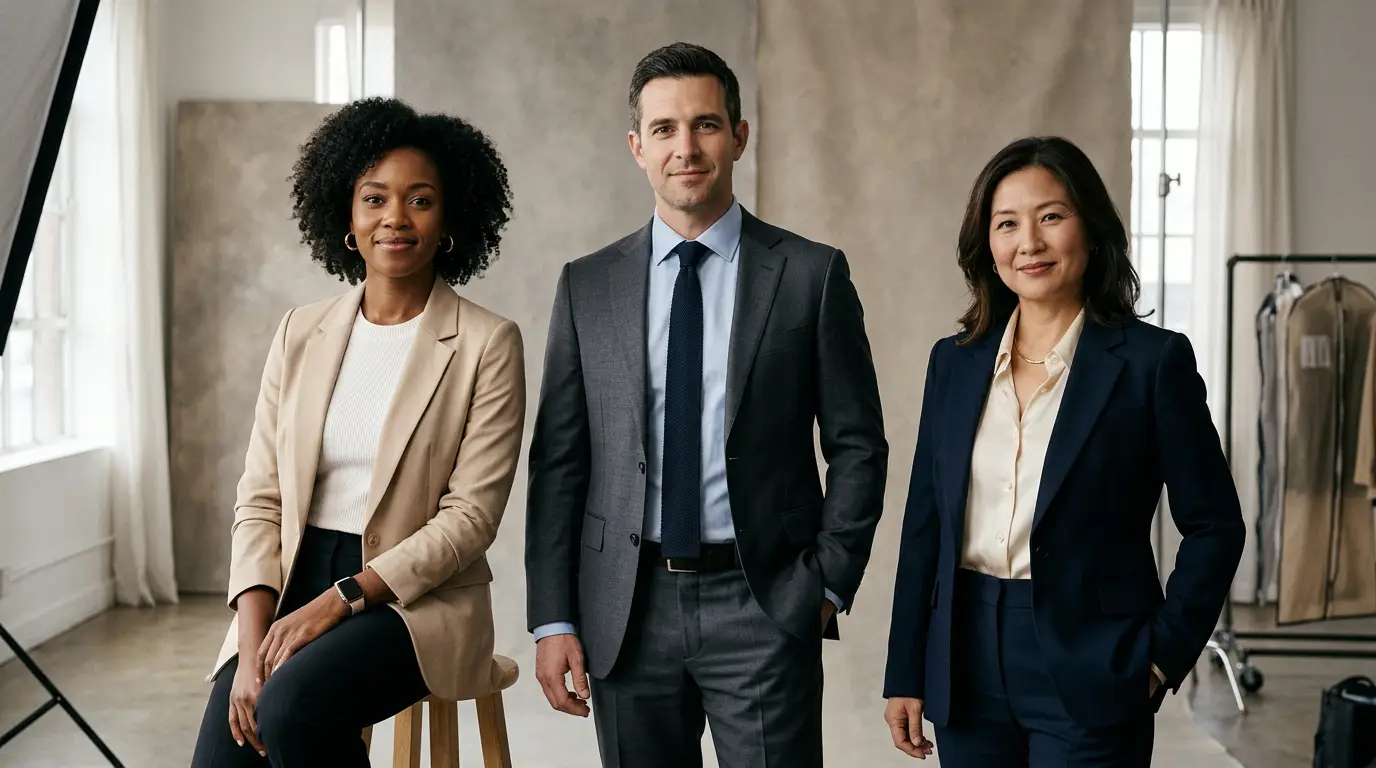
What you wear has a big effect on how your headshot looks. Solid, neutral colors usually work best. Very bright colors or busy patterns can pull attention away from your face.
Ask your photographer if they:
- Give wardrobe recommendations before the shoot
- Suggest colors that match your skin tone and the background
- Allow outfit changes during the session
- Offer styling support, such as a hair and makeup artist
Even a few simple tips can improve your final results. For example, a well-fitted jacket looks much sharper than a loose one. Bring two or three outfit options so you have choices on the day.
It also helps to steam or iron your clothes the night before. Wrinkles show up in photos more than you might think.
Step 9: Session Length and Turnaround Time
Headshot sessions vary a lot depending on your needs. A quick corporate headshot may take only 15 minutes. A full personal branding session with several looks and locations can take a few hours.
Before you book, confirm these details:
- Session duration: How long will the shoot last?
- Number of images: How many photos will you get to choose from?
- Delivery time: When will you receive the final images?
Turnaround time can range from a few days to several weeks. If you need your photos for a job application, a website launch, or a conference, tell the photographer upfront. Many offer rush delivery for an extra fee.
Also ask how you will choose your favorites. Some photographers use an online gallery, which makes it easy to review photos and share them with a friend or a boss before you decide.
Step 10: Check Retouching and Editing Skills
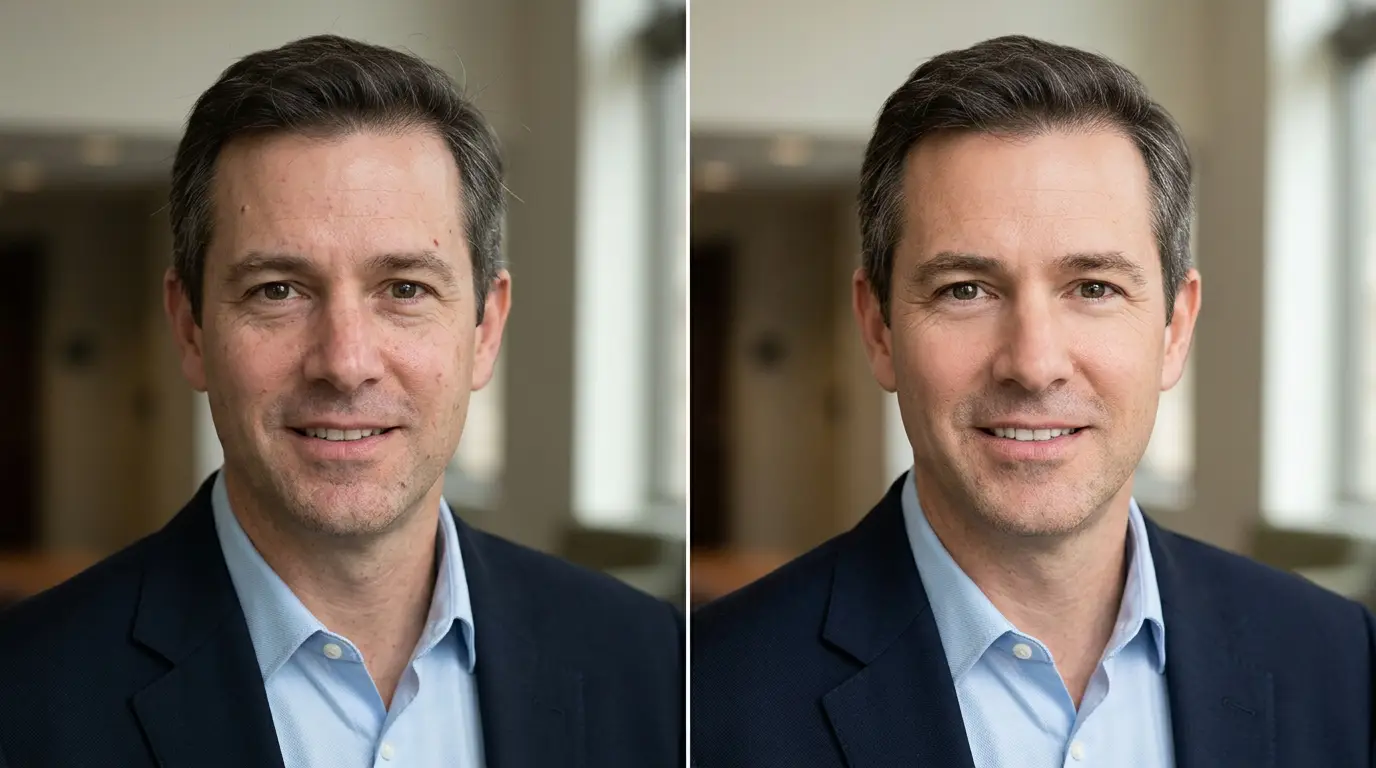
A professional headshot does not end when the photoshoot ends. Careful editing is what turns a good photo into a great one. Retouching removes small blemishes, balances the lighting, and polishes the final look without making you seem fake.
Ask your photographer:
- Do you offer basic editing or full retouching?
- How many retouched images are included in the package?
- Can you keep the photos natural and avoid heavy airbrushing?
- Can I see before and after examples?
Good retouching should improve your features while keeping you looking like yourself. If someone who knows you would not recognize you in the photo, the editing went too far. A headshot that looks too different from real life can actually hurt trust when you meet someone in person.
Some photographers edit their own work. Others send it to professional photo editing companies. Either way is fine, as long as the final result is natural and the quality is high.
Step 11: Work Guarantee and Pricing
Before you commit, ask a few direct questions:
- Do you offer a reshoot if I am not happy?
- Is there a refund policy?
- Are there any hidden charges for extra images, retouching, or studio time?
- What usage rights do I get? Can I use the photos on my website, in print, and on social media?
When it comes to pricing, keep these ideas in mind:
- Cheap does not always mean good value: A low-cost package with poor-quality images will not help your brand.
- Quality beats quantity: A few excellent headshots are better than dozens of average ones.
- Compare packages, not just prices: One photographer may charge more but include retouching and several outfits. Another may charge less and add fees later.
You can negotiate if needed, especially for team bookings or repeat sessions. But be ready to invest in quality. A strong headshot can open doors in your career, so it is worth it.
Red Flags to Watch Out For
Sometimes the signs that a photographer is not the right fit show up early. Be careful if you notice any of these:
- No clear portfolio: If you can’t find a full set of recent headshots, move on.
- Slow or vague communication: If they take days to answer a simple email, the process will probably stay slow.
- Unclear pricing: Honest photographers explain what is included and what costs extra.
- Heavy pressure to buy: You should never feel rushed into a big package.
- No contract or written agreement: A simple agreement protects both you and the photographer.
- Photos that all look the same as stock images: Good headshots show real personality.
Trust your gut. If something feels off during the first conversation, it will not get better on shoot day.
Smart Questions to Ask Before You Book
Here is a quick list you can copy and paste into an email or use on a call:
1. What types of headshots do you shoot most often?
2. How long is the session, and how many looks can I do?
3. How many final images are included?
4. Is retouching included, and how many images are retouched?
5. How long until I get my photos?
6. What should I wear, and do you give wardrobe advice?
7. What happens if I don’t like the results?
8. Can I see a full gallery from a recent session?
9. What are the usage rights for the photos?
10. Do you offer group or team discounts?
A professional photographer will be happy to answer all of these. If they get annoyed, that tells you something too.
How to Prepare for Your Headshot Session
Once you have picked your photographer, a little preparation goes a long way. Here are some easy tips:
- Get good sleep: You will look more relaxed and fresh.
- Drink water: It helps your skin look healthy.
- Plan your haircut early: Get a trim a week before, not the day before.
- Keep your grooming simple: Men may want to shave or trim facial hair. Everyone should keep makeup natural.
- Practice your expressions: Spend a few minutes in a mirror finding a smile that feels real.
- Bring extras: Pack a lint roller, a comb, tissues, and backup clothes.
- Arrive early: Giving yourself ten extra minutes helps you settle in.
Most important, try to enjoy it. Photographers can feel when you are tense, and tension shows in the final image. A little humor and a deep breath help more than you would expect.
Key Takeaways
Choosing the right headshot photographer in 2026 may take some time, but the process gets simple when you follow these steps:
1. Define the purpose of your headshot.
2. Decide between a generalist and a specialist. For professional use, a specialist is usually the better choice.
3. Research and shortlist five to seven photographers.
4. Evaluate portfolios carefully.
5. Read reviews and testimonials on more than one platform.
6. Check the studio setup and environment.
7. Make sure they provide posing guidance.
8. Talk about clothing and styling.
9. Confirm session length and delivery time.
10. Ask about retouching and editing.
11. Understand pricing, guarantees, and usage rights.
Your headshot is an important part of your personal and professional brand. Whether you are applying for jobs, promoting your business, or building your online presence, the right photographer can make all the difference.
In 2026, the competition is stronger than ever, and first impressions matter more than ever. When you choose a skilled, professional headshot photographer, you make sure your image shows confidence, credibility, and authenticity.
Remember, don’t just choose the cheapest option. Choose the photographer who understands your goals and brings out the best in you. With the right headshot, new opportunities will come your way, and you will be ready to meet them with confidence.
Frequently Asked Questions About Headshot Photography
What is the standard size of a headshot?
A headshot focuses on the face and shoulders with very little background. The standard size is 8 × 10 inches, which works for both print and digital use. You can use it in portrait or landscape orientation. For online profiles, the photographer can also crop it into a square.
How much do photographers charge for headshots?
Headshot prices depend on the photographer’s experience, your location, and the style of session. Typical rates run from $150 to $450. Prices can range from as low as $25 for a very basic mini session to $2,500 or more for premium sessions with styling, multiple looks, and full retouching.
Should you tip a headshot photographer?
Tipping is optional. If you love your photos, you can leave a tip, but many people simply show appreciation by writing a positive review or referring friends and coworkers.
Should you smile in a professional headshot?
Smiling is optional. The goal is to look comfortable and confident. You can choose a warm smile, a soft smile, or a calm neutral expression. Many photographers take a few of each so you can pick your favorite.
What should you avoid in a headshot?
Avoid these things:
- Busy clothes with logos or words
- Too much jewelry or accessories
- Heavy or overdone makeup
- Unusual or dramatic hairstyles
What colors work best for headshots?
Neutral or solid colors work best. Dark shades like black, navy, and brown look strong and professional. Light tones like white, beige, light blue, and soft pink look clean and balanced. Pick colors that suit your skin tone and don’t blend into the background.
How long does a headshot session usually last?
A basic corporate session can take as little as 15 to 30 minutes. A personal branding session with several outfits and locations can last two hours or more.
How early should I book a headshot photographer?
Top photographers often book up a few weeks ahead, especially in busy seasons like January and the start of fall hiring. Try to book at least two to four weeks before you need your photos.
Final Thought
Choosing the right headshot photographer can feel overwhelming, but a thoughtful approach makes it much easier. When you review portfolios, learn how each photographer works, and read honest client feedback, you greatly improve your chances of making the right choice. A skilled professional does not just take photos. They bring out your best and make image quality their top priority.
At Grasigner, we support that goal as a professional headshot photo editing company. We offer a full range of headshot photo editing services to help you refine and enhance your images for a polished, confident final result. We hope the tips above help you pick the ideal headshot photographer and get ready for a successful headshot photoshoot.